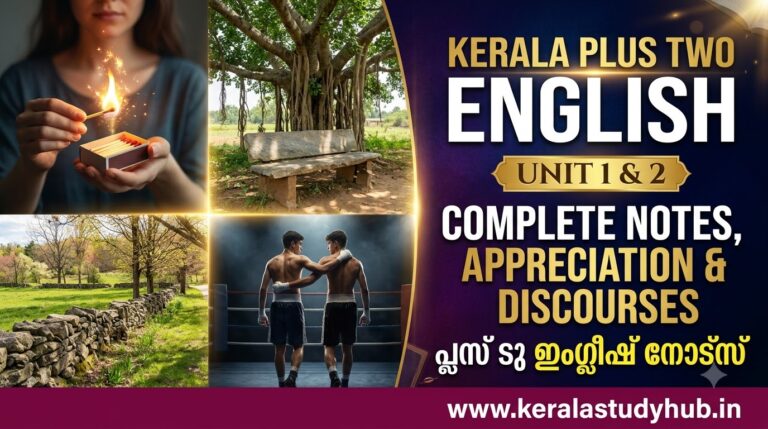
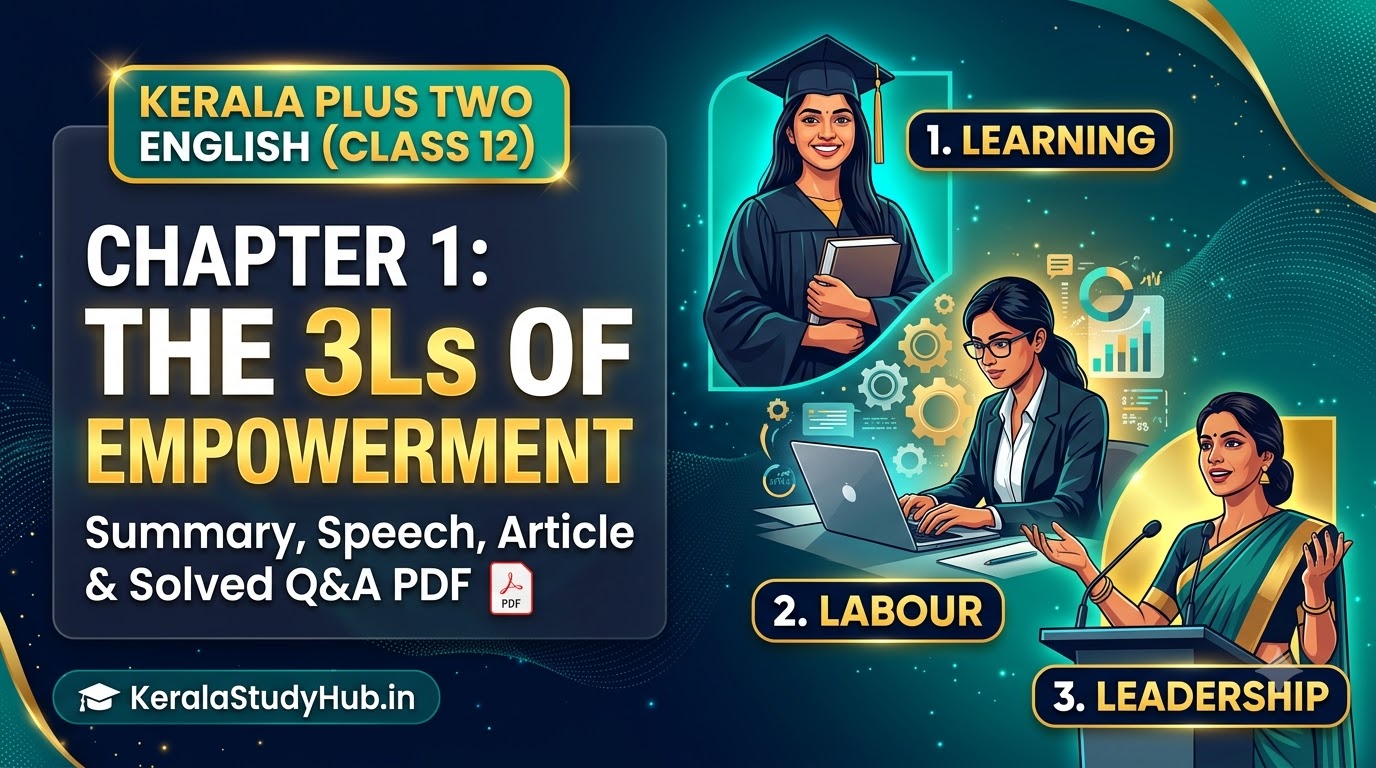
Welcome to Higher Secondary Class 12 (Plus Two) English! Whether you are studying in the Science stream (Plus Two Physics, Plus Two Chemistry, Plus Two Maths, and Plus Two Biology) or in the Commerce and Humanities streams, Unit 1 (Flights of Freedom) of the DHSE Kerala Class 12 English textbook opens with a powerful, thought-provoking speech: Chapter 1 — The 3Ls of Empowerment (സ്ത്രീ ശാക്തീകരണത്തിന്റെ മൂന്ന് ഘടകങ്ങൾ) delivered by Christine Lagarde (former Managing Director of the International Monetary Fund — IMF).
- Plus Two English Chapter 1 Overview & Exam Weightage (പാഠഭാഗത്തിന്റെ സംഗ്രഹം)
- Easy Summary in English — The 3Ls of Empowerment
- 1. The Need for Women’s Economic Empowerment in the 21st Century
- 2. Master Table of the “3 Ls”: Learning, Labour & Leadership (Guaranteed 4-Mark / 6-Mark Topic!)
- Complete Summary in Malayalam (മലയാളം സംഗ്രഹം — സ്ത്രീ ശാക്തീകരണത്തിന്റെ മൂന്ന് ഘടകങ്ങൾ)
- SCERT Textbook Questions and Answers (പാഠപുസ്തകത്തിലെ ചോദ്യോത്തരങ്ങൾ)
- Exam-Oriented Discourses — 6 & 8 Mark Questions (പരീക്ഷയ്ക്ക് സ്ഥിരമായി ചോദിക്കുന്ന ചോദ്യങ്ങൾ)
- 1. Speech on “Women Empowerment — The Need of the Hour” (for School Assembly / Women’s Day) [6 / 8 Marks]
- 2. Article / Essay on “Gender Equality and Role of Women in Nation Building” [6 / 8 Marks]
- 3. Debate Points: “Are Women Truly Empowered in Modern Society?” [4 Marks]
- Frequently Asked Questions (FAQ) — Kerala Plus Two English Chapter 1
- 1. Who is the author/speaker of “The 3Ls of Empowerment”?
- 2. Where can I study other Plus Two Chapter 1 notes on Kerala Study Hub?
In the DHSE Kerala Plus Two English Public Exam for 2026–27, Unit 1 (centred on the theme of Women Empowerment) is the single most important unit for 6-mark and 8-mark discourses—including Speeches on Women Empowerment, Articles / Essays on Gender Equality, Debate Points, and Interview Questions. Here is the complete English and Malayalam Medium (മലയാളം സംഗ്രഹം) revision guide by Kerala Study Hub (KeralaStudyHub.in).
Plus Two English Chapter 1 Overview & Exam Weightage (പാഠഭാഗത്തിന്റെ സംഗ്രഹം)
| Exam Feature | Details for 2026–27 DHSE Kerala Plus Two English Syllabus |
|---|---|
| Board & Class | DHSE & SCERT Kerala — Plus Two (Class 12 — Compulsory for All Streams) |
| Subject & Unit | English — Unit 1: Flights of Freedom |
| Chapter Title & Genre | Chapter 1: The 3Ls of Empowerment (Speech — പ്രസംഗം) |
| Speaker / Author | Christine Lagarde (ക്രിസ്റ്റീൻ ലഗാർഡ് — First Woman Finance Minister of France & First Woman MD of IMF) |
| The “3 Ls” Explained | 1. Learning (വിദ്യാഭ്യാസം), 2. Labour (തൊഴിൽ), and 3. Leadership (നേതൃത്വം) |
| Guaranteed Exam Discourses | Speech on Women Empowerment (6M/8M), Article on Gender Equality (6M), Debate / Panel Discussion (4M/6M) |
Easy Summary in English — The 3Ls of Empowerment
1. The Need for Women’s Economic Empowerment in the 21st Century
Christine Lagarde opens her speech by stating that the 21st century poses many challenges that demand new ways of thinking. The most important among them is the economic role of women in a rapidly changing world. Today, women make up half the world’s population, yet they are blocked from contributing their true potential to the economy. Although women account for 50% of the global population, they generate far less than 50% of economic activity. Why? Because across the world, women lack equal opportunities! Lagarde introduces a concert of “The 3 Ls of Women’s Empowerment” to unlock their hidden potential: Learning, Labour, and Leadership.
2. Master Table of the “3 Ls”: Learning, Labour & Leadership (Guaranteed 4-Mark / 6-Mark Topic!)
| The “L” of Empowerment | What Christine Lagarde Explains | Key Quotes, Proverbs & Solutions |
|---|---|---|
| 1st L: LEARNING (വിദ്യാഭ്യാസം) (Foundation of Change) |
• Education is the foundation upon which any change is built. • Learning helps women break the shackles of exclusion and poverty. • In the developing world, girls are still denied basic schooling. |
• Famous African Proverb Quoted: “If you educate a boy, you train a man. If you educate a girl, you train a village!” (ഒരു ആൺകുട്ടിയെ പഠിപ്പിച്ചാൽ നിങ്ങൾ ഒരു പുരുഷനെ വാർത്തെടുക്കുന്നു; എന്നാൽ ഒരു പെൺകുട്ടിയെ പഠിപ്പിച്ചാൽ നിങ്ങൾ ഒരു ഗ്രാമത്തെത്തന്നെ വാർത്തെടുക്കുന്നു!) |
| 2nd L: LABOUR (തൊഴിൽ) (Workplace & Economic Independence) |
• Labour allows women to flourish and achieve their true potential. • Currently, even when women work, they are trapped in low-paying, low-status, and low-security jobs. • Globally, women earn only three-quarters (3/4th) of what men earn for the exact same work (even in developed countries!). |
• 3 Solutions Proposed by Lagarde: 1. Demand “Equal Pay for Equal Work” (തുല്യ ജോലിക്ക് തുല്യ വേതനം). 2. Change laws (inheritance & property laws) and provide credit/finance to women. 3. Provide better healthcare, transport, and childcare facilities. |
| 3rd L: LEADERSHIP (നേതൃത്വം) (Rising to the Top) |
• Leadership enables women to rise and fulfil their innate abilities and talents. • Ironically, women often make better, more inclusive, and long-term decisions than men—they invest in education, healthcare, and peace. • Yet, women sometimes lack the confidence to match their competence! |
• Lagarde’s Golden Advice to Women: Women must change their mindset, shed self-doubt, step outside their comfort zones, and “dare the difference” (മാറ്റത്തിന് ധൈര്യപ്പെടുക)—taking risks even in the face of criticism! |
Complete Summary in Malayalam (മലയാളം സംഗ്രഹം — സ്ത്രീ ശാക്തീകരണത്തിന്റെ മൂന്ന് ഘടകങ്ങൾ)
അന്താരാഷ്ട്ര നാണയ നിധിയുടെ (IMF) ആദ്യ വനിതാ മേധാവിയായിരുന്ന ക്രിസ്റ്റീൻ ലഗാർഡ് (Christine Lagarde) നടത്തിയ പ്രശസ്തമായ പ്രസംഗമാണ് “The 3Ls of Empowerment”. ഇരുപത്തിയൊന്നാം നൂറ്റാണ്ടിൽ സ്ത്രീ ശാക്തീകരണത്തിന് അത്യന്താപേക്ഷിതമായ മൂന്ന് ‘L’-കളെക്കുറിച്ചാണ് (Learning, Labour, Leadership) അവർ ഇതിൽ പ്രതിപാദിക്കുന്നത്:
- 1. Learning (പഠനം / വിദ്യാഭ്യാസം): ഏതൊരു സാമൂഹിക മാറ്റത്തിന്റെയും അടിത്തറ വിദ്യാഭ്യാസമാണ്. വികസ്വര രാജ്യങ്ങളിൽ ഇന്നും പെൺകുട്ടികൾക്ക് വിദ്യാഭ്യാസം നിഷേധിക്കപ്പെടുന്നു. പ്രശസ്തമായ ഒരു ആഫ്രിക്കൻ പഴഞ്ചൊല്ല് ലഗാർഡ് ഇവിടെ ഉദ്ധരിക്കുന്നു: “ഒരു ആൺകുട്ടിയെ പഠിപ്പിച്ചാൽ നിങ്ങൾ ഒരു വ്യക്തിയെ മാത്രമാണ് പരിശീലിപ്പിക്കുന്നത്; എന്നാൽ ഒരു പെൺകുട്ടിയെ പഠിപ്പിച്ചാൽ നിങ്ങൾ ഒരു ഗ്രാമത്തെത്തന്നെ പരിശീലിപ്പിക്കുന്നു!”
- 2. Labour (തൊഴിൽ): വിദ്യാഭ്യാസം നേടിയ സ്ത്രീകൾക്ക് അവരുടെ കഴിവ് തെളിയിക്കാൻ തൊഴിലിടങ്ങൾ അനിവാര്യമാണ്. എന്നാൽ ഇന്ന് ലോകമെമ്പാടും സ്ത്രീകൾ കുറഞ്ഞ ശമ്പളവും സുരക്ഷിതത്വവുമുള്ള തൊഴിലുകളിലാണ് തളച്ചിടപ്പെട്ടിരിക്കുന്നത്. ഒരേ ജോലിക്ക് പുരുഷന് ലഭിക്കുന്ന ശമ്പളത്തിന്റെ നാലിൽ മൂന്ന് (3/4) ഭാഗം മാത്രമാണ് സ്ത്രീകൾക്ക് ലഭിക്കുന്നത്. ‘തുല്യ ജോലിക്ക് തുല്യ വേതനം’ (Equal pay for equal work) ഉറപ്പാക്കണമെന്നും സ്വത്തവകാശ നിയമങ്ങളിൽ മാറ്റം വരുത്തണമെന്നും അവർ ആവശ്യപ്പെടുന്നു.
- 3. Leadership (നേതൃത്വം): സ്ത്രീകൾക്ക് മികച്ച നേതൃപാടവമുണ്ടെങ്കിലും പലപ്പോഴും തങ്ങളുടെ കഴിവിനൊത്ത ആത്മവിശ്വാസം (Confidence to match their competence) അവർക്കുണ്ടാകാറില്ല. അതിനാൽ സ്ത്രീകൾ തങ്ങളുടെ മനോഭാവം മാറ്റണമെന്നും വിമർശനങ്ങളെ ഭയക്കാതെ “മാറ്റത്തിന് ധൈര്യപ്പെടണമെന്നും” (Dare the difference) ക്രിസ്റ്റീൻ ലഗാർഡ് ആഹ്വാനം ചെയ്യുന്നു.
SCERT Textbook Questions and Answers (പാഠപുസ്തകത്തിലെ ചോദ്യോത്തരങ്ങൾ)
Q1. What are the “3 Ls” of empowerment mentioned by Christine Lagarde?
Answer:
The “3 Ls” of women’s empowerment are Learning (Education), Labour (Employment/Work), and Leadership.
Q2. Explain the significance of the African proverb: “If you educate a boy, you train a man. If you educate a girl, you train a village.”
Answer:
This African proverb highlights the multiplier effect of educating women. When a boy is educated, the benefit primarily goes to him as an individual. However, when a girl is educated, she shares her knowledge, values, health awareness, and economic stability with her children, family, and the entire community—thereby uplifting the whole village and society.
Q3. Why does Christine Lagarde say that women are “locked out” of economic participation, and how can Labour help them?
Answer:
Although women form 50% of the world’s population, they contribute far less to global economic activity because they are denied equal access to education, property, credit, and high-paying jobs. Even when employed, they are often stuck in low-paying, low-status jobs and earn only three-quarters of what men earn. Ensuring equal pay for equal work, legal reforms, and access to finance can unlock their economic potential and boost the per capita income of nations.
Q4. “It is time to create a world where all women can meet their potential without impediment or prejudice.” What does the speaker mean by “dare the difference”?
Answer:
Even when women possess high competence and talent, they often hesitate to take up top leadership roles due to a lack of self-confidence or fear of patriarchal criticism. By “dare the difference”, Christine Lagarde urges women to break out of their comfort zones, take bold risks, support one another, and step forward into leadership positions despite obstacles.
Exam-Oriented Discourses — 6 & 8 Mark Questions (പരീക്ഷയ്ക്ക് സ്ഥിരമായി ചോദിക്കുന്ന ചോദ്യങ്ങൾ)
1. Speech on “Women Empowerment — The Need of the Hour” (for School Assembly / Women’s Day) [6 / 8 Marks]
Question: On the occasion of International Women’s Day (March 8), you are asked to deliver a Speech in your school assembly on the topic “Empowering Women Through Learning, Labour, and Leadership”. Prepare the text of the speech.
Answer:
Respected Principal, teachers, and my dear friends,
A very warm good morning to everyone gathered here!
Today, as we celebrate International Women’s Day, I would like to ask you a simple question: Can a bird fly with just one wing? Certainly not! In the same way, no nation or society can fly towards progress if half of its population—its women—are held back.
As Christine Lagarde powerfully reminds us in “The 3Ls of Empowerment”, true empowerment of women rests on three strong pillars: Learning, Labour, and Leadership.
First comes Learning. Education is the sharpest weapon that breaks the chains of poverty and discrimination. As the famous African proverb says, “If you educate a boy, you train a man; if you educate a girl, you train a village.”
Second comes Labour. Education without safe and equal employment is incomplete. Even today, women across the world face gender wage gaps and glass ceilings. We must ensure equal pay for equal work, safe workplaces, and financial independence for every woman.
Third, and most importantly, comes Leadership. History proves that when women lead—whether in panchayats, corporate boardrooms, space research at ISRO, or parliament—they make compassionate, inclusive, and farsighted decisions. Yet, many talented girls still hold back due to self-doubt. It is time for every girl to match her competence with confidence and “dare the difference”!
Dear friends, let us pledge today to build a society where every girl is educated, respected, and free to lead without fear or prejudice.
Thank you! Jai Hind!
2. Article / Essay on “Gender Equality and Role of Women in Nation Building” [6 / 8 Marks]
Answer:
Empowering Half the Sky: Role of Women in Nation Building
— By A Student Reporter
In the twenty-first century, the true measure of a nation’s development is no longer just its military might or industrial output, but the status and empowerment of its women. Representing nearly fifty percent of the global population, women are the architects of families, communities, and economies.
Barriers Faced by Women: For centuries, patriarchal social norms, gender stereotyping, and unequal laws have restricted women to domestic roles. Even in the modern era, millions of girls in developing regions drop out of school early. In the workplace, women frequently face the “glass ceiling”, unequal wages for equal work, and a lack of safety during travel and night shifts.
The Path to Empowerment (The 3 Ls): As economist Christine Lagarde highlights, the solution lies in the “3 Ls”—Learning, Labour, and Leadership. Universal quality education equips girls with skills and awareness. Equal participation in the labour force not only gives women financial freedom and dignity, but also significantly increases a country’s GDP and per capita income. Finally, promoting women into leadership positions in politics, science, judiciary, and business brings empathy, peace, and sustainable development to governance.
Conclusion: Empowering women is not a favour—it is a fundamental human right and an economic necessity. When we educate, employ, and encourage women to “dare the difference”, we build a stronger, fairer, and more prosperous world for everyone.
3. Debate Points: “Are Women Truly Empowered in Modern Society?” [4 Marks]
For the Motion (Yes, Women Are Empowered Today):
- 1. Women today excel in every field—from fighter pilots, ISRO scientists, and CEOs to presidents and prime ministers.
- 2. Female literacy rates and higher education enrolment have risen dramatically, especially in states like Kerala.
- 3. Strict laws against domestic violence, dowry, and workplace harassment, along with reservation in local self-governments, protect women’s rights.
Against the Motion (No, True Empowerment Is Still a Distant Dream):
- 1. Globally, women still earn only three-quarters of what men earn for the exact same work (Gender Pay Gap).
- 2. Rising crimes against women, dowry harassment, and lack of safety in public spaces restrict women’s freedom of movement.
- 3. Women remain heavily under-represented in top political leadership and corporate boardrooms due to patriarchal mindsets.
Frequently Asked Questions (FAQ) — Kerala Plus Two English Chapter 1
1. Who is the author/speaker of “The 3Ls of Empowerment”?
The speech “The 3Ls of Empowerment” was delivered by Christine Lagarde, the first woman Finance Minister of France and the first woman Managing Director of the International Monetary Fund (IMF).
2. Where can I study other Plus Two Chapter 1 notes on Kerala Study Hub?
Explore all our Class 12 study guides here:
• Plus Two Physics Chapter 1: Electric Charges and Fields Notes
• Plus Two Chemistry Chapter 1: Solutions Notes
• Plus Two Maths Chapter 1: Relations and Functions Notes
• Plus Two Biology (Botany) Chapter 1: Sexual Reproduction in Flowering Plants Notes